Green tea at home: brewing tips
Green tea is easy to brew well once you know three things: water temperature, steeping time and how much tea to use. Here is a friendly guide.
- Use hot, not boiling, water for a smoother flavor
- Keep steeping short and taste as you go
- Fresh, cold water and a clean cup make a difference
- Try iced and flavored versions when the weather changes
Where green tea comes from
Green tea is made from the leaves of the Camellia sinensis plant. What makes it "green" is how the leaves are handled after picking: they are heated early to stop them from darkening, which keeps their fresh, grassy character. You will see it sold as loose leaves, in tea bags and as fine powder.
This guide is about flavor and technique. If your last cup tasted bitter or flat, a few small changes usually fix it.
Get the temperature right
The top tip for a smoother cup is to avoid fully boiling water. Boiling water can pull out harsh, bitter flavors from delicate leaves. Instead, let the kettle come to a boil, then rest it for a couple of minutes before pouring.
No thermometer? No problem. Listen for the kettle to settle and watch for the big bubbles to calm down. Many tea drinkers also use a kettle with temperature settings, but a simple pause works well. Start with fresh, cold water each time, since water that has been boiled repeatedly can taste flat.
Measure, steep and taste
A good starting point is about one teaspoon of loose leaves, or one tea bag, per cup of water. Package directions are worth following the first time, then you can tweak to taste.
- Steeping time: green tea is usually steeped for a short time, often around one to three minutes. Set a timer so you do not forget.
- Taste early: if it is already pleasant, remove the leaves. Longer steeping often means more bitterness.
- Remove the leaves: lifting out the infuser or bag stops the brewing right away.
- Resteep: good loose leaves can often make a second cup with slightly cooler water and a bit more time.
Keep a small notebook or a memo on your phone about what worked: the water, the timing and how many leaves you used. After a few cups, you will have a personal recipe.
Cup choice matters a little, too. A pre-warmed mug keeps the temperature steady, and a glass teapot lets you watch the leaves unfurl, which is half the fun. Rinse everything well after use so old flavors do not creep into the next brew.
Fun ways to switch things up
Once you have a reliable hot cup, play with variations:
- Iced green tea: brew a bit stronger, let it cool, and pour over ice with lemon or mint. A cold-brew version uses cool water and a few hours in the fridge.
- Citrus and herbs: orange slices, fresh ginger coins or a sprig of mint add aroma.
- Sweet touch: a little honey, if you like, rounds off the flavor.
- Tea-based sauces: brewed green tea can flavor rice, oatmeal or a poaching liquid.
Store dry tea in an airtight container away from light, heat and strong smells. Fresh tea simply tastes better, and a small tin on the counter makes the daily ritual easy to repeat, so buy amounts you will finish in a few months.
Make tea time part of your day
A tea break is a lovely anchor for a daily habit. The kettle gives you a built-in pause, and many people use it for a few slow breaths or a quick stretch. Our post on a morning routine with liquid supplement drops shows how to use that kind of cue, and easy evening wind-down habits suggests caffeine-free options for later in the day.
For general food and drink ideas, the MedlinePlus nutrition page is a friendly reference, and the NCCIH herbs at a glance pages offer background on many plant ingredients.
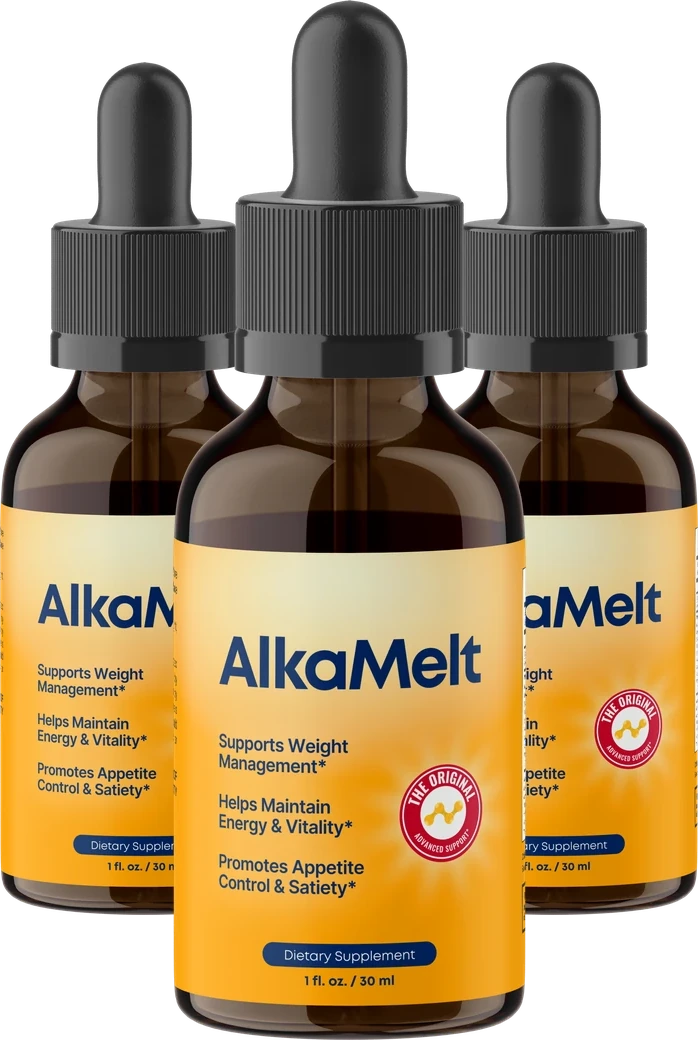
Green tea extract is also one of the six ingredient names listed for AlkaMelt, a daily liquid dietary supplement, in the product information we reviewed. Brewing tea at home and taking a supplement are separate choices. If you are curious, see the ingredients page, or see today's price on the order page. Follow the serving directions on the label.